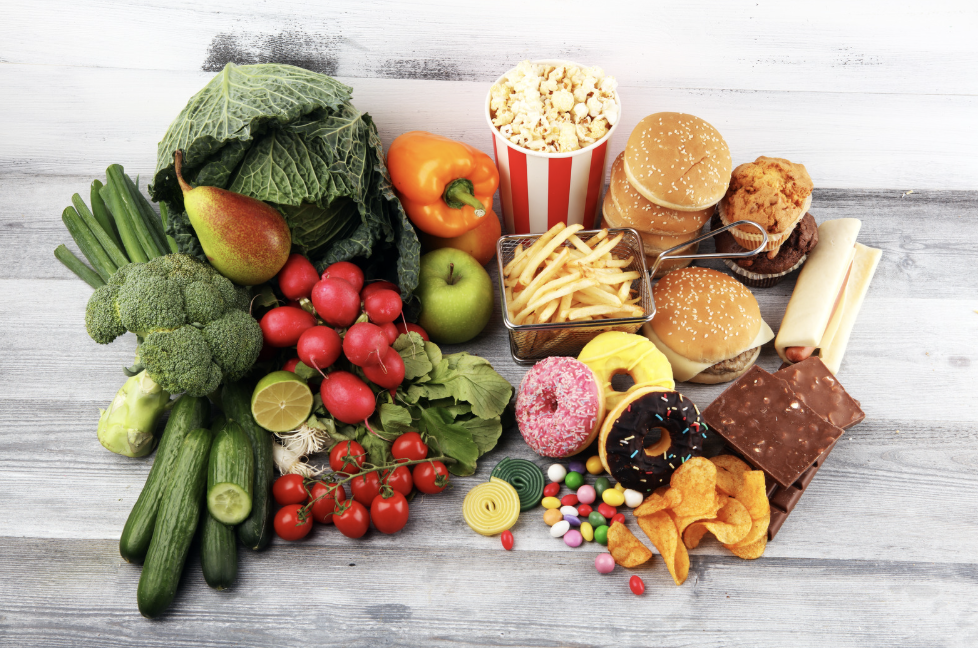
How do we improve our gut health? We can do this by adopting habits that promote the growth of beneficial bacteria and overall digestive health.
We asked our 11 gastroenterologists for their tips on an effective way to enhance one’s gut microbiome.
1. Eat a diverse range of wholefoods
WHY? different bacteria in the gut thrive on different types of nutrients. A diverse diet of fresh wholefoods, mainly from plant sources like fruits, vegetables, legumes, beans, nuts and wholegrains, will promote a balanced and resilient microbiome.
2. Increase your intake of prebiotic foods
WHY? Prebiotics are types of fibre that feed healthy bacteria, helping them to multiply. Include bananas, onions, garlic, leeks, asparagus, Jerusalem artichokes and oats to your diet.
3. Add fermented foods to your meals
WHY? These foods introduce live beneficial bacteria into the gut, helping to add to the population of good bacteria and diversify the microbiome. Incorporate kimchi, sauerkraut, keffir, kombucha or miso into your diet. Probiotics also produce beneficial postbiotics in the gut, such as short chain fatty acids, which have an anti-inflammatory, immunomodulatory and other health-promoting effects.
Make your own fermented vegetables with Dr Tin Nguyen’s recipe.
4. Drink plenty of water
WHY? Staying well hydrated supports the mucosal lining of the intestines and balances your gut flora. It also aids digestion and prevents constipation.
5. Include polyphenol-rich foods in your diet
WHY? Polyphenols are antioxidants that promote the growth of beneficial bacteria, whilst reducing inflammation and harmful bacteria. Include green tea, dark chocolate, berries and red wine (in moderation) into your diet.
6. Limit your consumption of processed foods, sugars & artificial sweeteners
WHY? These are thought to alter the gut bacteria in a negative way, by encouraging the growth of harmful bacteria and yeast which disrupts the balance of the microbiome. Also important to note, when consuming these foods, you are likely eating less of the food that is beneficial to your gut microbiota.
7. Exercise regularly
WHY? Exercise is thought to increase the diversity of bacteria in the gut. Exercise also increases antioxidant levels which can improve the body’s immune function and potentially reduce the risk of inflammatory bowel disease and colon cancer.
8. Manage your stress
WHY? Chronic stress increases the release of cortisol which can disrupt the gut barrier and lead to an imbalance in gut bacteria.
9. Prioritise your sleep
WHY? Poor sleep disrupts circadian rhythms, which regulate digestion and gut microbiota activity.
10. Quit smoking and limit alcohol intake
WHY? Smoking introduces harmful chemicals to the body that disrupt the gut bacteria. Alcohol can kill beneficial bacteria. It also increases gut permeability which can lead to damage to the lining of the small intestine allowing harmful substances to pass into the bloodstream.
11. Avoid taking unnecessary antibiotics
WHY? Antibiotics kill both harmful and beneficial bacteria, leading to a less diverse microbiome. Overuse can cause lasting disruptions.
Recent scientific research has highlighted the vital role of the gut microbiome in the development of numerous diseases. Conditions such as Inflammatory Bowel Disease (IBD), Irritable Bowel Syndrome (IBS), Coeliac disease, liver disease, reflux, and even bowel cancer have been linked to gut health. The trillions of microorganisms in our gut not only influence digestion but also affect mood and emotions. Imbalances in the microbiome are associated with anxiety and depression, as these microbes help regulate neurotransmitters and mood-related compounds.
This growing understanding emphasises the microbiome’s critical role in both physical and mental health.
Making changes to your diet and lifestyle can help support the intricate balance of microorganisms in our gut and in turn, improve your gut health.
Disclaimer – This article is for general information and educational purposes only. It is not a substitute for professional advice. Always consult a registered health professional regarding any health-related diagnosis or treatment options.