There is a lot of information out there about how you can improve your gut health. We want you to know that looking after your digestive system doesn’t need to be complicated.
People often ask us what they should be doing to improve their gut health. Our advice is usually to focus on a few simple things and, importantly, make them part of your everyday routine.
1. Eat plenty of plants
We all know that fruit and vegetables are good for us, but when it comes to gut health, variety is important too. Different plant foods provide different types of fibre and nutrients for the bacteria living in our gut.
Rather than eating the same few vegetables every week, introduce a variety. Remember, plant foods aren’t just fruit and vegetables. Wholegrains, beans, lentils, chickpeas, nuts, seeds, herbs and spices all count. Aim to make your plate as colourful as possible.
2. Don’t underestimate fibre
Fibre is one of the most important parts of a gut-friendly diet. It helps keep our bowels moving regularly and provides food for beneficial gut bacteria.
If you know your diet is low in fibre, increase it gradually rather than making a dramatic change overnight. Too much too quickly can leave you feeling bloated and uncomfortable. Fibre and fluid work together, so make sure you drink plenty of water as you increase your fibre intake.
3. Choose wholefoods most of the time
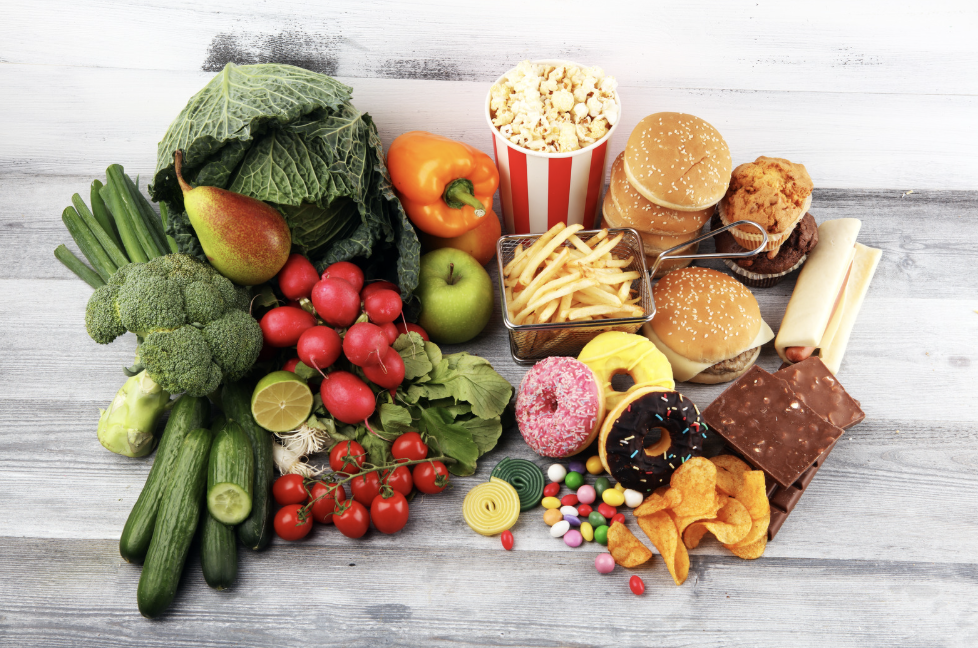
You don’t need a “perfect” diet to have a healthy gut, and there is no need to completely eliminate processed food. Try to base your everyday diet around vegetables, fruit, wholegrains, legumes, nuts, seeds, fish, eggs and other minimally processed foods, while keeping highly processed foods as the occasional choice.
A Mediterranean-style diet is a good example as it isn’t particularly complicated or restrictive.
4. Add fermented food to your meals
These foods introduce live beneficial bacteria into the gut, helping to add to the population of good bacteria and diversify the microbiome. Incorporate kimchi, sauerkraut, keffir, kombucha or miso into your diet. Probiotics also produce beneficial postbiotics in the gut, such as short- chain fatty acids, which have an anti-inflammatory, immunomodulatory and other health-promoting effects.
5. Get moving
Regular physical activity can help stimulate the bowel and is particularly helpful for people prone to constipation. You don’t need to be doing strenuous exercise to benefit. Walking, swimming, cycling, gardening and simply spending less time sitting all count.
The best exercise is generally the one you’ll actually keep doing.
6. Look beyond food
When we talk about gut health, the conversation tends to focus almost entirely on diet. But your digestive system doesn’t operate in isolation.
The gut and brain communicate constantly through what is known as the gut-brain axis. Stress can affect how quickly or slowly the gut moves and can make symptoms such as bloating, abdominal discomfort and changes in bowel habits more noticeable.
Regular exercise, adequate sleep and finding ways to manage stress are all part of looking after your digestive health.
If there is one message we would like you to take away, it is that good gut health doesn’t come from one particular food, supplement or quick fix.
Eat a varied diet with plenty of plant foods and fibre, drink enough water, keep active and look after your general health. Small changes that you can maintain are much more useful than an extreme diet that lasts a few weeks.
But… if something doesn’t feel right, don’t simply put it down to “poor gut health”. Persistent abdominal pain, difficulty swallowing, unexplained weight loss, blood in the stool or an ongoing change in bowel habits should be discussed with your GP and may need further investigation.
Reviewed by Dr Raouf Bassily on 1st October, 2026.
Disclaimer – This article is for general information and educational purposes only. It is not a substitute for professional advice. Always consult a registered health professional regarding any health-related diagnosis or treatment options.